Sclerotherapy vs. Vein Ablation: Which Vein Treatment Is Right for You?
If you’re looking into treatment for varicose or spider veins, you’ll quickly run into two names: sclerotherapy and vein ablation. They both close off problem veins and redirect blood to healthier ones, but they work differently and tend to treat different veins. The simplest way to think about it: sclerotherapy is usually for smaller, surface-level veins, while ablation is typically for larger underlying veins driving the problem. Often, the best plan uses one, the other, or both. Here’s how they compare.
How sclerotherapy works
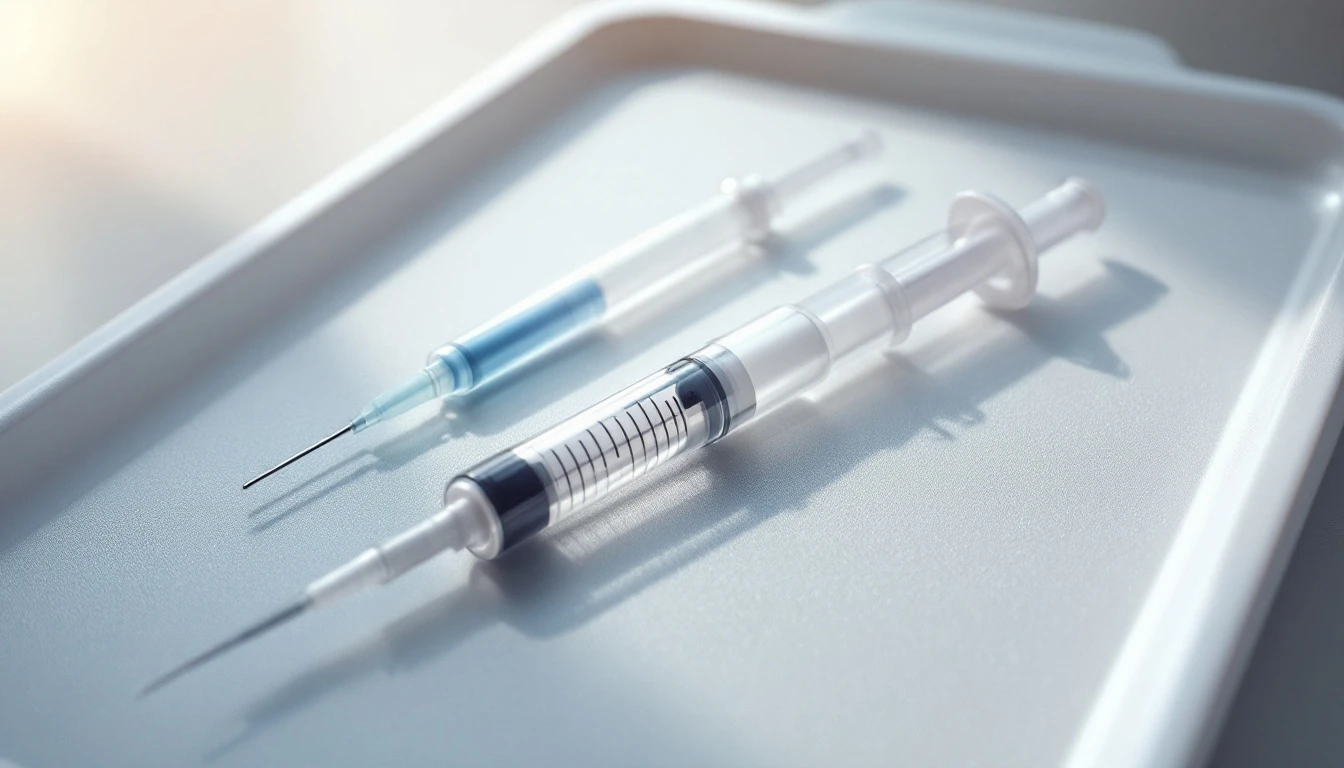
Sclerotherapy treats veins with an injection rather than heat. A specialist injects a solution (called a sclerosant) directly into the vein, which irritates the vein wall and causes it to close. Over the following weeks, the closed vein is absorbed by your body and fades from view. Blood naturally reroutes to healthy veins nearby. Because it doesn’t use energy to close the vein, sclerotherapy is considered a non-thermal, chemical treatment.
Sclerotherapy is most often used for smaller varicose veins, spider veins, and reticular veins. It’s typically done in-office without anesthesia, and each session is fairly quick. Some people need more than one session to get the result they want, depending on how many veins are being treated. Learn more on our sclerotherapy page.
How vein ablation works
Vein ablation closes off larger, deeper veins — often the underlying vein that’s the real source of visible varicose veins and symptoms. Rather than an injection, it uses heat delivered through a thin catheter to seal the vein from the inside. This approach is called thermal ablation, and it comes in two forms:
- Radiofrequency ablation (RFA) uses radiofrequency energy to heat and seal the vein.
- Endovenous laser treatment (EVLT) uses laser energy delivered through a thin fiber to heat and seal the vein.
Both RFA and EVLT are thermal ablation — the energy source (radiofrequency vs. laser) differs, but the underlying approach is the same: heat closes the vein. Ablation is minimally invasive, usually performed in-office with local anesthesia, and the treated vein is sealed and gradually absorbed. Because it addresses the larger feeding vein, it often tackles the root of the problem rather than just the surface appearance. You can learn more on our vein ablation and endovenous laser treatment pages.
Side-by-side comparison
| Sclerotherapy | Vein Ablation | |
|---|---|---|
| Best for | Smaller varicose, spider, and reticular veins | Larger underlying (truncal) veins |
| How it’s done | Injection of a chemical solution (non-thermal) | Thermal (heat) energy via a thin catheter — radiofrequency or laser |
| Anesthesia | Usually none | Usually local anesthesia |
| Targets | Surface-level veins | The deeper source vein |
| Sessions | May require more than one | Often a single session per vein |
| Recovery | Minimal; back to activities quickly | Minimal; back to activities quickly |
Both are minimally invasive and generally allow a quick return to daily activities. The choice comes down to which veins you have and what’s causing them.
Which one is right for you?
The honest answer is that it depends on what an evaluation finds — and the two are frequently used together. A common pattern looks like this:
- Ablation first to close the larger underlying vein that’s feeding the problem.
- Sclerotherapy afterward to clean up the smaller surface veins that remain.
That’s why vein mapping matters. Before treatment, an ultrasound identifies exactly which veins are involved and whether the trouble starts with a deeper vein. Treating only the surface veins when a larger vein is the real driver can lead to disappointing results, which is why specialists look at the whole picture first. You can read more about the conditions behind these treatments on our venous disease care page.
Your physician will recommend a plan based on your specific anatomy, symptoms, and goals, and will explain what results are realistic for you.
Find the Right Vein Treatment in Georgia and Northeast Ohio
If you’re unsure whether sclerotherapy, vein ablation, or a combination is right for you, the board-certified team at Preferred Vascular Group can map your veins and recommend a tailored plan. Expert evaluation is available at convenient locations across metro Atlanta and Northeast Ohio.
Call 404-554-2080 (Atlanta) or 216-273-8010 (Cleveland), or visit https://preferredvasculargroup.com/appointment/ to schedule a consultation.
References
- Gloviczki P, et al. The 2023 Society for Vascular Surgery, American Venous Forum, and American Vein & Lymphatic Society Clinical Practice Guidelines for the Management of Varicose Veins of the Lower Extremities, Part II. Journal of Vascular Surgery: Venous and Lymphatic Disorders, 2024.
- Rasmussen L, et al. Randomized Clinical Trial Comparing Endovenous Laser Ablation, Radiofrequency Ablation, Foam Sclerotherapy, and Surgical Stripping for Great Saphenous Varicose Veins with 3-Year Follow-Up. Journal of Vascular Surgery: Venous and Lymphatic Disorders, 2013.
- Sclerotherapy — StatPearls, National Library of Medicine.
Disclaimer: This information is for educational purposes only and should not be used as a substitute for professional medical advice, diagnosis, or treatment. Always consult with a qualified healthcare provider about any questions you may have regarding a medical condition.
Frequently Asked Questions
Is sclerotherapy or ablation better for varicose veins?
Does sclerotherapy hurt?
How long is recovery after vein ablation?
Will I need more than one treatment?
Are these treatments covered by insurance?
How do I know which veins are causing my symptoms?
Medically Reviewed By: Eric McLoney, MD, FSIR, RPVI
Medical Disclaimer: This content is for informational purposes only and does not constitute medical advice. Always consult a qualified healthcare provider for diagnosis and treatment options specific to your condition.