
Pregnancy After Uterine Fibroid Embolization: What to Know
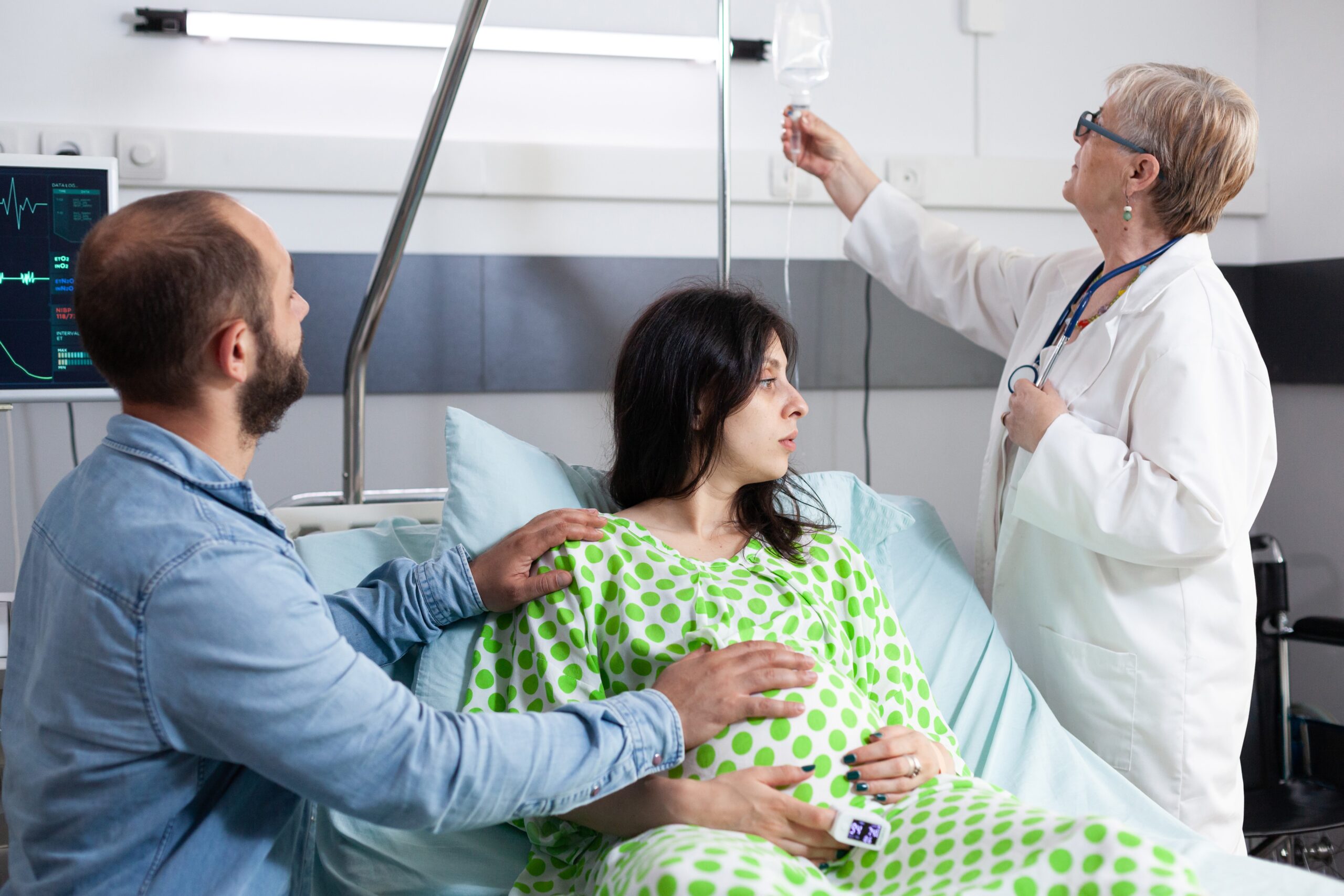
Uterine fibroids are non-cancerous growths that can affect women of reproductive age, causing symptoms like heavy menstrual bleeding, pelvic pain, and fertility challenges. Uterine Fibroid Embolization (UFE) is a minimally invasive procedure designed to treat fibroids without surgery, offering symptom relief while preserving the uterus.
For women considering pregnancy, understanding how UFE may affect fertility and pregnancy outcomes is essential. This guide explores the UFE procedure, recovery, fertility implications, and key considerations for women seeking a non-surgical fibroid treatment.
Understanding Uterine Fibroid Embolization (UFE)
Uterine Fibroid Embolization involves blocking the blood flow to fibroids using tiny particles injected via a catheter into the uterine arteries. Over time, fibroids shrink due to reduced blood supply, alleviating symptoms like:
- Heavy menstrual bleeding
- Pelvic pressure or pain
- Frequent urination
- Lower back discomfort
Unlike hysterectomy or myomectomy, UFE is minimally invasive, often performed under local anesthesia, and allows most women to return home the same day.
UFE as a Non-Surgical Fibroid Treatment
UFE is considered a safe non-surgical fibroid treatment and is particularly suitable for women who want to avoid major surgery. Key benefits include:
- Shorter recovery times compared to open surgery
- Preservation of the uterus
- Relief from bleeding and pelvic discomfort
- Outpatient procedure in most cases
However, it is important to discuss fertility goals with your doctor before undergoing UFE, as the procedure may have implications for pregnancy.
Fertility Considerations After UFE
Women seeking pregnancy after fibroid treatment often wonder about fertility outcomes following UFE. Here’s what research and clinical experience indicate:
- Uterus Preservation: UFE does not remove the uterus, unlike hysterectomy, making it possible for women to conceive post-procedure.
- Potential Fertility Impact: While many women can conceive successfully after UFE, some studies suggest a slightly increased risk of complications like placental issues or preterm delivery.
- Individual Variability: Fertility outcomes may depend on fibroid size, location, patient age, and overall reproductive health.
Consulting with a gynecologist and interventional radiologist is crucial for personalized guidance.
When to Consider Pregnancy After UFE
Timing is important for women planning pregnancy following UFE. Considerations include:
- Recovery Period
Most doctors recommend waiting at least 3–6 months post-UFE before attempting conception to allow the uterus to heal. - Assessment of Fibroid Shrinkage
Follow-up imaging ensures fibroids have reduced in size and that uterine blood flow is adequate for pregnancy. - Overall Health
Maintaining optimal health, including managing anemia or other fibroid-related complications, supports a healthier pregnancy.
Overview of the UFE Procedure
Understanding the UFE procedure helps patients make informed decisions:
- Access and Catheter Placement: A small catheter is inserted into the femoral or radial artery.
- Targeting Fibroids: Imaging guides the catheter to the uterine arteries supplying the fibroids.
- Embolization: Small particles block blood flow to the fibroids, causing them to shrink.
- Completion: The catheter is removed, and a bandage is applied to the entry site.
The procedure usually takes 1–2 hours, with most women going home the same day.
Recovery After UFE
Recovery after UFE is generally quicker than surgical alternatives:
- Pain and Cramping: Mild to moderate discomfort for a few days, often managed with medication.
- Return to Activities: Most women resume normal activities within a week.
- Follow-Up Care: Imaging may be performed to monitor fibroid shrinkage and uterine health.
- Symptom Relief Timeline: Improvement in bleeding and pelvic pressure is often seen within a few weeks to months.
Alternatives to UFE for Fertility-Sparing Treatment
While UFE is effective, other options may be considered for women prioritizing fertility:
- Myomectomy: Surgical removal of fibroids while preserving the uterus; often recommended for women desiring pregnancy.
- Medications: Hormonal therapies to control bleeding and shrink fibroids temporarily.
- Minimally Invasive Surgery: Laparoscopic or robotic-assisted myomectomy for select cases.
Each option has benefits and limitations, and discussing them with a healthcare provider helps determine the best treatment plan.
Pregnancy Outcomes After UFE
Research indicates that many women can have successful pregnancies following UFE:
- Conception Rates: Some studies show comparable conception rates to women who undergo myomectomy, especially in younger patients.
- Pregnancy Complications: Slightly higher risk of preterm birth, abnormal placentation, or cesarean delivery in some cases.
- Monitoring: Women are typically monitored closely during pregnancy to ensure healthy outcomes.
Women considering pregnancy should discuss potential risks and benefits with both their gynecologist and interventional radiologist.
Key Takeaways
- UFE is a minimally invasive, non-surgical fibroid treatment that preserves the uterus.
- Fertility can be maintained, but individualized consultation is essential.
- Recovery is shorter compared to surgical options, with most women resuming normal activities within a week.
- Alternative treatments like myomectomy may be considered for women prioritizing pregnancy.
- Monitoring during pregnancy ensures safe outcomes and early intervention if complications arise.
Conclusion
Pregnancy after Uterine Fibroid Embolization is possible for many women, making UFE a valuable non-surgical fibroid treatment option. Women planning pregnancy should allow sufficient recovery time, discuss fertility considerations with their healthcare team, and closely monitor uterine health post-procedure.
For more information on uterine fibroids and fertility-sparing treatment options, visit Preferred Vascular Group to explore comprehensive patient guidance and resources.