
Recovery Timeline: How Long to Get Back on Your Feet After GAE
When knee pain has been running your life, the idea of a long, draining surgical recovery can feel like another mountain to climb. One of the biggest reasons patients look into Genicular Artery Embolization, or GAE, is that the recovery is usually much faster and easier than major orthopedic surgery. While everyone heals a little differently, most people follow a similar path: a short rest window, quick return to daily life, and then gradual, meaningful pain relief as inflammation continues to calm.
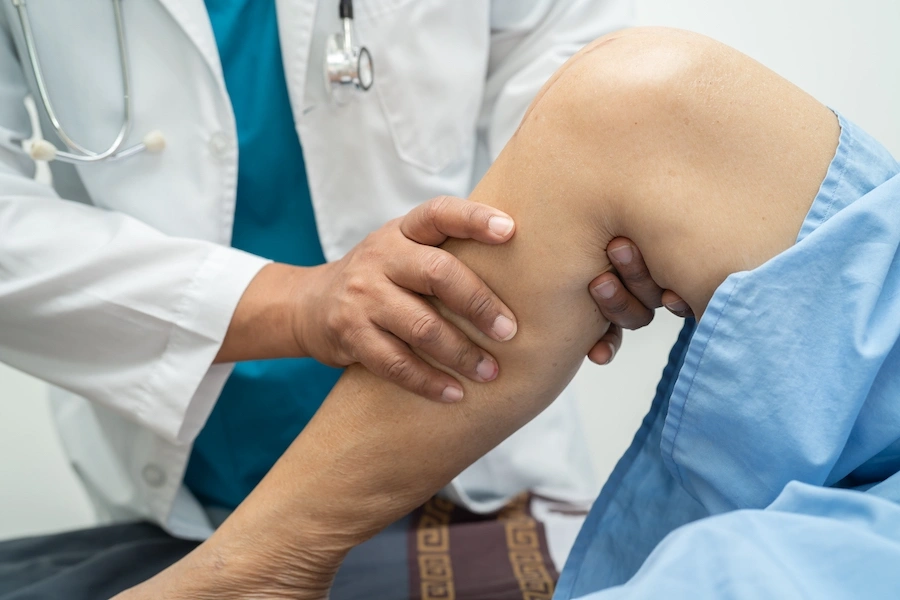
The typical GAE recovery timeline at a glance
Think of recovery in three phases. First is the immediate recovery period in the first day or two, where your body settles after the procedure. Next is early mobility during the first week, when you ease back into normal routines. After that, long-term improvement builds over the next one to three months as the knee inflammation keeps quieting down.
Days 1 to 3 Rest and reset
The first 24 to 72 hours are about comfort and protection. Most patients feel mild soreness in the knee and possibly some tenderness where the catheter was placed. This is normal. Resting, elevating the leg when you can, and using ice if your doctor recommends it are usually enough. Over-the-counter pain medication often handles the discomfort well. You can walk around the house and do light tasks, but avoid pushing for long walks or exercise yet.
Week 1 Back to light daily activity
By the end of the first week, many patients feel ready to return to regular routines. That includes walking around the neighborhood, running simple errands, and going back to a desk job if you have one. The key is staying in the “light activity” zone. Walking is encouraged, but keep it gentle and stop before you feel strain. Avoid high-impact workouts, heavy lifting, or anything that causes sharp pain. If your knee feels a little tired at the end of the day but settles by morning, that’s a good sign you’re pacing well.
Weeks 2 to 4 Build mobility and confidence
This is where people start to notice life getting easier. You’ll likely find your walking distance naturally increasing because you’re not guarding the knee as much. Many patients begin low-impact exercise during this window, like cycling, swimming, or using an elliptical, because these strengthen the leg without pounding the joint. If your doctor suggests physical therapy, it’s usually focused on mobility, stability, and smart strengthening, not an intense rehab program.
Months 1 to 3 Long-term relief takes hold
GAE pain relief is often progressive. Instead of a single “overnight change,” many people feel steady improvement over the first one to three months. As inflammation continues to settle, you may notice fewer flare-ups, less stiffness, and better tolerance for longer activity. Depending on your arthritis severity and fitness level, this may be the stage where you return to more demanding hobbies or sports, always building gradually and listening to your knee.
What can affect your personal timeline
Your recovery speed depends on a few real-world factors: how advanced your arthritis is, how strong your leg muscles were before the procedure, whether you have swelling patterns that take longer to settle, and how consistently you ease back into movement. People who pair GAE with low-impact exercise and simple strengthening often feel the best long-term outcomes because they’re supporting the calmer joint with better stability.
A Recovery That Fits Real Life
A quick and comfortable recovery is one of the standout benefits of Genicular Artery Embolization. Most patients are walking independently right away, back to light routines within days, and feeling a meaningful reduction in arthritic knee pain over the next several weeks. If you want relief without months of surgical rehab, GAE offers a recovery timeline that fits real life. Request an appointment with us today!
References
- Padia SA, et al. “Genicular Artery Embolization for Treatment of Knee Osteoarthritis: Interim Analysis of a Prospective Pilot Trial.” Journal of Vascular and Interventional Radiology, 2023. Link
- Ashraf N, et al. “Safety and Efficacy of Genicular Artery Embolization for Knee Joint Osteoarthritis Associated Pain: A Systematic Review.” Vascular, 2025. Link
- Bagla S, et al. “Multicenter Randomized Sham Controlled Study of Genicular Artery Embolization for Knee Pain Secondary to Osteoarthritis.” Journal of Vascular and Interventional Radiology, 2022. Link
Frequently Asked Questions
How soon can I go back to work after GAE?
Will I need a cane or crutches after Genicular Artery Embolization?
When will I feel the full results from GAE?
What activities should I avoid early in recovery?
What if my knee feels sore again after I start moving more?
Medically Reviewed By: Maharshi Rajdev, MD
Medical Disclaimer: This content is for informational purposes only and does not constitute medical advice. Always consult a qualified healthcare provider for diagnosis and treatment options specific to your condition.